

Understanding how an RV solar power system functions is essential for anyone considering going off-grid or reducing reliance on campground hookups. At EcoBoss, we believe knowledge empowers better decisions. Let's break down the complete energy flow from sunlight to usable power in your recreational vehicle.
The Complete Solar Energy Flow
An RV solar system converts sunlight into electrical energy that powers your appliances and charges your batteries. The process follows a logical sequence through four main components, each playing a critical role in transforming solar radiation into household electricity.
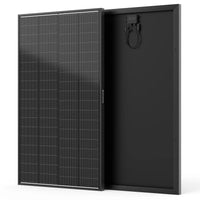
Step 1: Solar Panels (Sunlight Capture)
Solar panels consist of individual solar cells that convert sunlight into direct current (DC) electricity. When photons from sunlight strike the photovoltaic cells, they create an electrical current through a process called the photovoltaic effect.
How It Works:
- Solar panels capture solar radiation through photovoltaic cells and convert it into electrical energy
- A solar panel's output capacity typically ranges from 80 to 300 watts, with most modern RV panels falling between 160-200 watts
- Panel efficiency depends on factors like sun exposure, panel angle, weather conditions, and temperature
Important Note: You're not powering appliances directly with solar panels—the panels charge your batteries, which then supply power to your devices. This distinction is crucial for understanding how the system operates during cloudy weather or at night.
Step 2: Charge Controller (Energy Regulation)
After solar panels generate electricity, it flows to the charge controller—the brain of your EcoBoss solar system. The charge controller regulates voltage and current from the panels to prevent battery overcharging.
Primary Functions:
- Manages the rate at which electricity flows into batteries
- Prevents energy from being lost back through the panels when sunlight isn't present
- Monitors battery temperature to prevent overheating
- Optimizes charging based on battery condition and charge level
PWM vs MPPT Controllers
There are two main types of charge controllers, each with distinct advantages:
PWM (Pulse Width Modulation) Controllers:
- PWM controllers operate by making a direct connection from the solar array to the battery bank
- They use a rapid switch that opens and closes hundreds of times per second to modulate current and maintain constant battery voltage
- More affordable option
- Best suited for smaller systems and warm climates
- Panel voltage must match battery voltage
MPPT (Maximum Power Point Tracking) Controllers:
- MPPT controllers adjust input voltage to harvest maximum power from the solar array, then convert this power to supply the varying voltage requirements of the battery
- These controllers enable solar panels to operate at their maximum power point—the optimum voltage and current for maximum power output
- MPPT controllers can provide 10-15% more charging capability compared to PWM regulators, with improvements ranging from 5-30% depending on climate conditions
- More expensive but significantly more efficient
- Better suited for colder conditions where solar module voltage increases
- Can handle higher voltage solar arrays
When to Choose Each Type:
EcoBoss recommends MPPT controllers for:
- Systems with multiple panels wired in series
- Cold climate installations
- Situations requiring maximum efficiency
- Larger RV systems powering multiple appliances
PWM controllers work well for:
- Small, budget-conscious systems
- Hot climate installations
- Systems where batteries stay near full charge
- Simple setups with minimal power demands
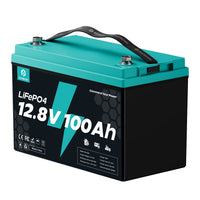
Step 3: Battery Bank (Energy Storage)
Batteries store the electricity generated by solar panels for use when the sun isn't shining, including at night or during cloudy weather. Without adequate battery storage, even the largest solar array cannot provide continuous power.
Battery Types:
Most RV systems use one of these battery technologies:
- Lithium-Ion (LiFePO4): Popular for RVs due to their longevity, efficiency, and capacity. More expensive upfront but longer lifespan.
- AGM (Absorbent Glass Mat): Maintenance-free lead-acid option with good performance
- Flooded Lead-Acid: Traditional and affordable but requires regular maintenance
- Gel Batteries: Sealed lead-acid alternative suitable for extreme temperatures
Battery Capacity Considerations:
When sizing your EcoBoss battery bank, consider:
- Daily energy consumption (calculated in watt-hours)
- Desired days of autonomy (power reserve for cloudy days)
- Battery longevity depends on type, with lithium-ion consistently outlasting lead-acid options
- Most RV batteries operate at 12-volt or 24-volt configurations
Important: The charge controller continuously monitors battery state and adjusts charging accordingly, ensuring batteries receive optimal charge without damage from overcharging or excessive discharge.
Step 4: Inverter (Power Conversion)
The final component in your EcoBoss solar system is the inverter. An inverter converts stored DC power into alternating current (AC) to power household appliances, lights, and outlets in your RV.
How Inverters Work:
The inverter takes low-voltage DC input directly from battery terminals, boosts it to 120 volts, and converts the DC waveform to alternating polarity AC output. This transformation allows you to run standard household appliances like microwaves, televisions, coffee makers, and air conditioners.
Inverter Types:
- Pure Sine Wave Inverters: Produce clean, smooth AC power identical to grid electricity. Ideal for sensitive electronics like laptops, medical equipment, and modern appliances.
- Modified Sine Wave Inverters: Less expensive but produce a stepped waveform. Suitable for basic devices but may cause issues with sensitive electronics.
Sizing Your Inverter:
To determine the correct inverter size for your EcoBoss system:
- Calculate total watts of devices you'll run simultaneously
- Multiply by 1.25 to account for surge requirements
- Choose an inverter rated above this calculated value
Example: If you plan to run 1,600 watts of appliances at once, you'd need at least a 2,000-watt inverter (1,600 × 1.25 = 2,000).
Understanding the Complete Energy Flow
Now let's trace the entire energy journey in your EcoBoss RV solar system:
-
Morning: Sunlight strikes the solar panels, and the charge controller detects available solar input and begins charging the battery bank
-
Peak Sun Hours: Solar panels operate at maximum efficiency, generating the most electricity. The MPPT controller continuously adjusts to extract maximum power as sun angles change.
-
Battery Charging: The controller regulates how many amps flow to batteries based on sun exposure—more on sunny days, less when clouds pass
-
Power Usage: When you turn on appliances, the inverter draws DC power from batteries and converts it to AC power for your devices
-
Evening/Night: Solar panels stop generating electricity, but your batteries continue powering appliances through the inverter until morning when the cycle repeats
System Integration & Efficiency
Key Points for Optimal Performance:
- All components must be properly sized to work together efficiently
- Both solar panels and existing RV converters can simultaneously charge the battery bank without interference
- Solar panels recharge batteries throughout the day, which gradually drain as you use their stored power for devices
- A properly designed EcoBoss system balances solar generation, battery capacity, and power consumption
System Monitoring:
Modern charge controllers often include displays showing:
- Current solar input (watts)
- Battery voltage and charge percentage
- Daily energy harvest
- System status and alerts
This information helps you understand your energy usage patterns and optimize system performance.
Common Misconceptions Clarified
Misconception #1: "Solar panels power my appliances directly" Reality: Solar panels charge batteries; batteries power appliances. This is why battery capacity is so crucial.
Misconception #2: "Bigger panels always mean more power" Reality: Without adequate battery storage, excess solar generation goes unused. Balance is key.
Misconception #3: "PWM and MPPT controllers do the same thing" Reality: MPPT controllers can be up to 30% more efficient than PWM controllers, depending on battery and panel operating voltage.
Safety & Grounding Considerations
Proper installation requires:
- Appropriate wire gauging for current loads
- Fuses or circuit breakers throughout the system
- Grounding to protect against lightning strikes and power surges
- Secure mounting of all components
- Professional installation for complex systems
Maximizing Your EcoBoss Solar System
To get the best performance from your RV solar setup:
- Panel Placement: Mount panels where they receive maximum unobstructed sunlight
- Regular Maintenance: Periodically inspect wiring, connectors, and charge controller to ensure proper operation
- Monitor Usage: Track your energy consumption to avoid depleting batteries
- Seasonal Adjustments: Understand that solar production drops by 50-75% on cloudy days
- Battery Care: Follow manufacturer guidelines for battery maintenance and charging
The Freedom of Solar Power
Understanding how each component works together—panels capturing sunlight, controllers regulating charge, batteries storing energy, and inverters converting power—empowers you to make informed decisions about your EcoBoss solar system.
With the right solar setup, you can power appliances, charge electronics, and enjoy the freedom of boondocking without needing campsite electrical hookups. This independence opens up countless camping possibilities, from remote desert landscapes to secluded mountain retreats.
Whether you're starting with a basic portable system or planning a comprehensive permanent installation, understanding this fundamental energy flow helps you optimize performance, troubleshoot issues, and expand your system as your needs grow. The pathway from sunlight to usable power may involve sophisticated technology, but the principle remains elegantly simple: capture, regulate, store, and convert.


