

Why Most Home Solar Systems Shut Down During Power Outages
When the power goes out, many homeowners are surprised to find that their solar system stops working — even on a sunny day. If solar panels are still exposed to sunlight, shouldn’t they continue providing electricity?
In reality, most residential solar systems are intentionally designed to shut down during blackouts. This isn’t a flaw in solar technology or a failure of the equipment. It’s a built-in safety feature required for grid-connected systems.
The majority of home solar installations today are tied directly to the utility grid. While this setup allows homeowners to offset energy costs and use the grid when needed, it also means the system must operate in sync with grid voltage and frequency. When the grid goes down, solar inverters automatically disconnect to prevent electricity from flowing into utility lines that may be under repair.
This is why solar panels alone don’t guarantee backup power. Whether a home has electricity during an outage depends on system design — not just the presence of panels.
Understanding this difference is essential for anyone considering solar or evaluating what their current system can realistically provide.
And What That Really Means for Your Home Energy
When a power outage happens, many homeowners are surprised to discover that their solar system stops supplying electricity — even on a bright, sunny day. After all, if solar panels are still producing energy, why doesn’t that power flow into the home?
The short answer is that most residential solar systems are designed to shut down during outages on purpose. This behavior is not a defect, a limitation of solar technology, or a failure of the system. It is the result of how grid-connected solar systems are engineered to operate safely and reliably.
Understanding this distinction is important, especially for homeowners who assume that installing solar panels automatically means having backup power. In reality, whether a home has electricity during a blackout depends on system design, not simply the presence of solar panels.
How Most Home Solar Systems Are Designed
The majority of residential solar installations today are grid-tied systems. In a grid-tied setup, solar panels generate direct current (DC) electricity, which is then converted into alternating current (AC) by an inverter. That electricity is used in the home, with any excess power exported to the utility grid.
This design has clear advantages. It allows homeowners to offset electricity costs, draw power from the grid when solar production is insufficient, and operate without large on-site energy storage. However, grid-tied systems are built to operate in sync with the utility grid.
That synchronization requirement becomes critical during a power outage.
Why Solar Systems Shut Down During Blackouts
When the grid goes down, grid-tied solar systems are required to shut down automatically. This behavior is governed by electrical safety standards and is commonly referred to as anti-islanding protection.
If solar systems continued supplying electricity while the grid was offline, they could send power back into utility lines that workers assume are de-energized. This creates a serious safety hazard for line crews performing repairs. To prevent this risk, inverters continuously monitor grid voltage and frequency. If they detect an outage or abnormal conditions, they disconnect within seconds.
As a result, even though sunlight may still be hitting the panels, the system stops delivering usable power to the home.
Are Solar Panels Still Producing Energy?
Yes — physically, solar panels continue generating DC voltage whenever they receive sunlight. What changes during a blackout is that the system no longer has a safe, regulated pathway to deliver that energy.
Without a stable grid reference or an independent control system, the inverter cannot safely convert and distribute power. The shutdown is intentional and protective, not a sign that the panels themselves have stopped working.
What Allows Solar to Work During a Power Outage?
Homes that maintain electricity during outages typically have additional system components beyond standard grid-tied solar panels.
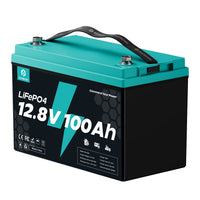
Battery Storage Systems
Adding battery storage allows excess solar energy to be stored and used later. During a blackout, the system can isolate itself from the grid and supply power from the battery to selected household loads.
In this configuration, the home operates as a small, self-contained power system until grid service is restored.
Hybrid or Backup-Capable Inverters
Some systems use hybrid inverters designed to manage both grid-connected operation and off-grid functionality. These devices can disconnect from the grid during outages while maintaining stable voltage and frequency for household use.
The key requirement in all cases is electrical isolation from the grid combined with active control of power output.
Common Misunderstandings About Solar and Outages
One common misconception is that solar panels alone can function as backup power. In reality, panels are only one part of a complete electrical system. Without storage, switching equipment, and control logic, solar energy cannot be safely delivered during grid failures.
Another misconception is that systems which shut down during outages are poorly designed. In fact, they are operating exactly as intended under current safety regulations.
How to Know What Your System Can Do
Homeowners who want to understand their system’s capabilities should review:
-
Whether the system includes battery storage
-
Whether the inverter supports backup or off-grid operation
-
How loads are managed during outages
-
What safety disconnection equipment is installed
These design details determine whether a home can remain powered during a blackout — not the wattage of the solar panels alone.
Final Thoughts
Solar panels are a powerful tool for reducing grid dependence and energy costs, but they are not automatically a source of backup power. Most residential systems are designed to shut down during outages to meet safety requirements and protect both utility workers and equipment.
Backup power is a system-level decision that depends on design choices made at installation. Understanding those choices helps homeowners set realistic expectations and plan their energy systems more effectively.


